

Will Our Homes Still Stand Tomorrow? Life in Masafer Yatta Under Israeli Settler Violence
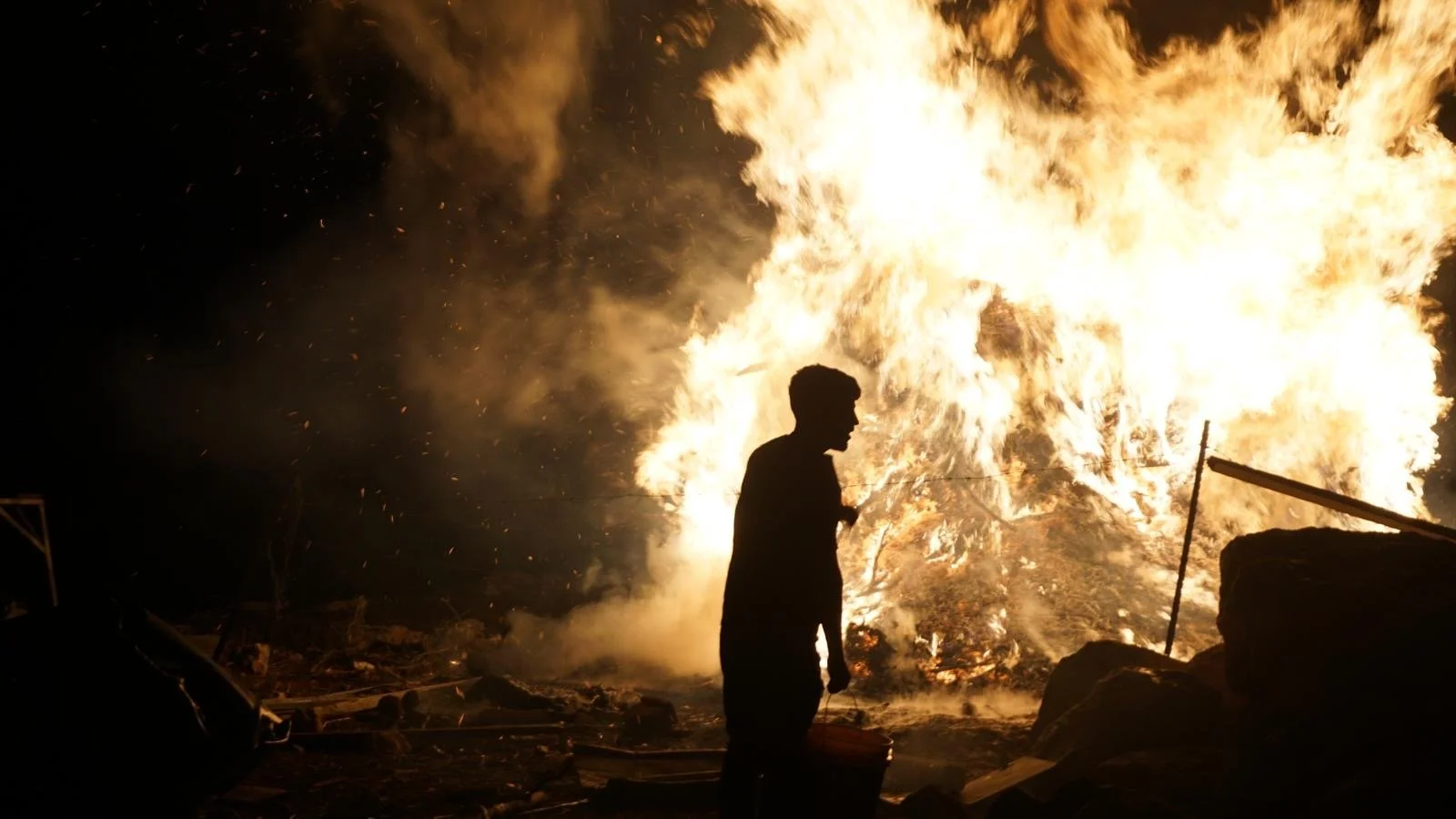
Homes, cars and property were burnt in Al-Fakhit village of Masaffer Yatta during a violent raid by Israeli settlers on Jan. 28, 2026. Photo by Roni Amir.
May 1, 2026 — Masafer Yatta is a place where every waking day carries the weight of uncertainty: any morning could bring bloodshed, grief and pain. The nights offer no relief. These fears shape my first thoughts when I wake, my last before I sleep and everything in between.
Here, we live with that same fear every day, but not because of nature. It stems from a reality of violence, and the ongoing threat of displacement and expulsion of Palestinians by Israeli settlers.
Masafer Yatta is a collection of Palestinian villages in the South Hebron Hills of the occupied West Bank. For decades, residents have faced ongoing efforts by the Israeli occupation to displace them, particularly through policies like designating the area as “Firing Zone 918,” which is used to justify demolitions and forced removal. These policies, alongside expanding settler violence, shape nearly every aspect of life here.
Each month brings new demolitions: homes, wells and sheep enclosures. We are left with few choices: to leave, to demolish our homes, or simply wait. Even when our villages are not destroyed by Israeli occupation forces, they are attacked by settlers who set fires, steal cars and take over our towns.
On January 26, 2026, we woke up expecting to begin the day like any other. But when we stepped outside, we saw military forces with bulldozers invading our community. Fear spread instantly: will it be my house today, or the school or the mosque? The occupation does not care who or why. Its violence is indiscriminate.
That same day, large military bulldozers and vehicles stormed the villages of Al-Fakhit and Khashm al-Daraj, demolishing three homes and two sheep pens. They then moved through Al-Fakhit and destroyed two water cisterns used for drinking and irrigation.
The attacks did not end there. The following day, settlers launched a violent raid under the watch of Israeli forces and police, targeting the same villages that had been struck the day before. They burned homes, cars and property. They smashed vehicles and beat families, leaving people with broken bones. By the end of the day, settlers had stolen sheep and left, followed by soldiers who arrested those who had just been attacked. Two women from the village were arrested.
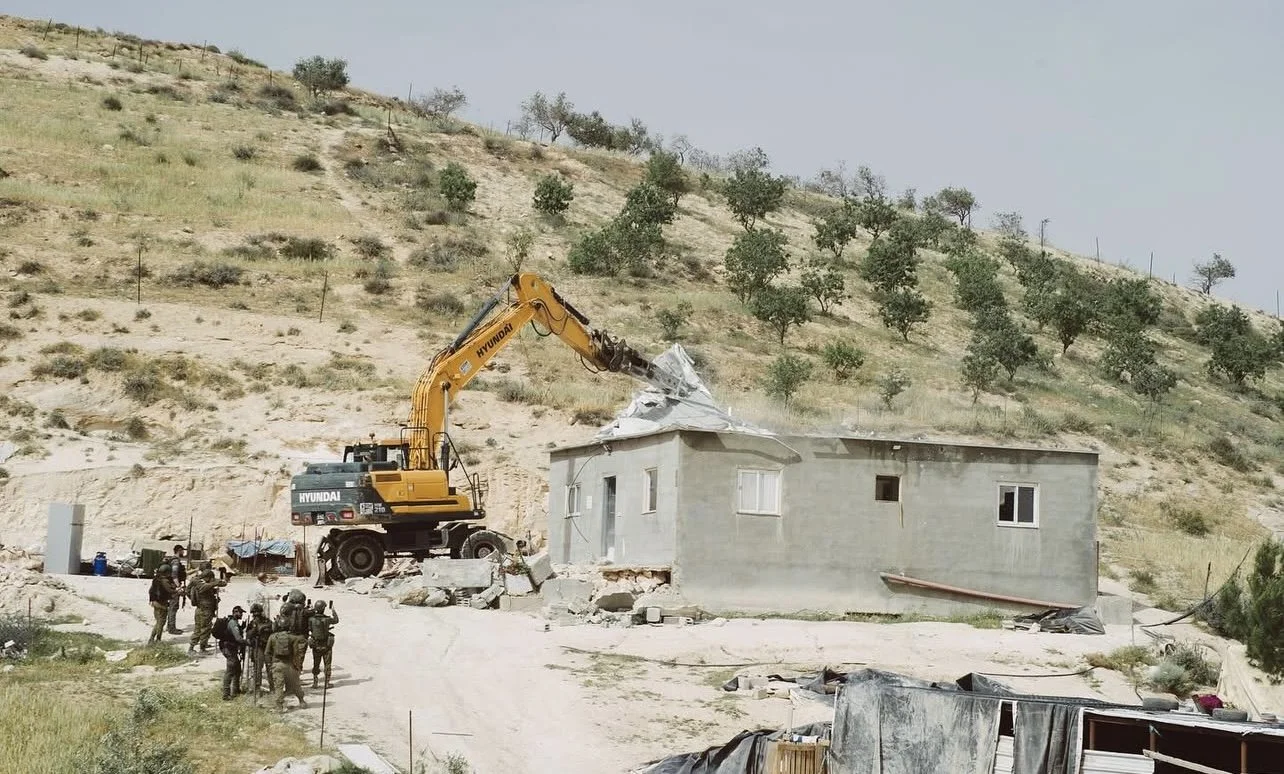
Israeli army demolish a building in Al-Rakez village in June, 2025. Photo courtesy of the author.
The daily attacks and harassment by Israeli occupation forces and settlers are clearly aimed at pressuring people to leave their homes. Time and again, Palestinians are driven from their land, and immediately the occupation builds outposts and settlements for violent settlers. Yet, here in Masafer Yatta, my people have remained for decades despite these threats. We are committed to nonviolent resistance. We will not leave.
My cousins won the Best Documentary Feature Film award at the 97th Academy Awards for “No Other Land” (2024), which shows the harsh reality that Masafer Yatta’s residents live through. The award was meaningful and helped the world see our lives. But it did not end the violence. Settler violence increased, and military raids intensified after all of the international media attention. The filmmakers themselves were attacked, beaten and arrested multiple times; their families also became targets of harassment.
Since the beginning of the war on Gaza, Masafer Yatta has become one of the main targets in the occupied West Bank.
In many cases, settlers wear military uniforms or the green clothing of the army but carry no official identification. They burn homes and cars, cut water lines, and destroy trees. These acts are intended to force residents out, clearing the way for the violent settlers who seek to replace us.
One recent attack took place in the village of Tuba, where armed settlers from the illegal outpost Havat Ma'on targeted residents. They threw stones at homes, attacked families and children, destroyed livestock and food supplies, and burned a car belonging to activist Ali Awad. After the attack, police and the occupation army arrived, but not to stop the settlers. Instead, they detained and arrested international solidarity activists, while those who carried out the violence faced no consequences. Again and again, those who are attacked are punished, while those who attack are protected.
On February 10, occupation forces stormed the village of Khillat al-Dhabi, demolishing seven houses, two caves, and numerous tents and survival structures. Families were expelled, their belongings destroyed, and over 40 people were left homeless in freezing conditions. The demolitions continued in nearby villages, including Maghayir al-‘Abid and Jenba, where homes, agricultural structures, and trees were destroyed.
This is part of a systematic policy. From government authorities to settlers, these actions are coordinated to pressure Palestinians to leave their ancestral land and make way for expanding Jewish supremacist settlements.
Days like this happen every week, every month, more often and by the hour. There is no recourse. We do not know what kind of violence each day will bring, or if we will even have homes left to return to. We do not know if our children will make it to school, or if their school will still exist.
We continue to document these events. But to what end?
These attacks are not new. They are increasing. They are part of a larger system of occupation that continues to spread through our villages.
Daily harassment has become normal. The most brutal acts have become routine.
And still, every morning, we wake up and ask:
Will our homes still stand tomorrow?
Subscribe to the Palestine Nexus Newsletter: